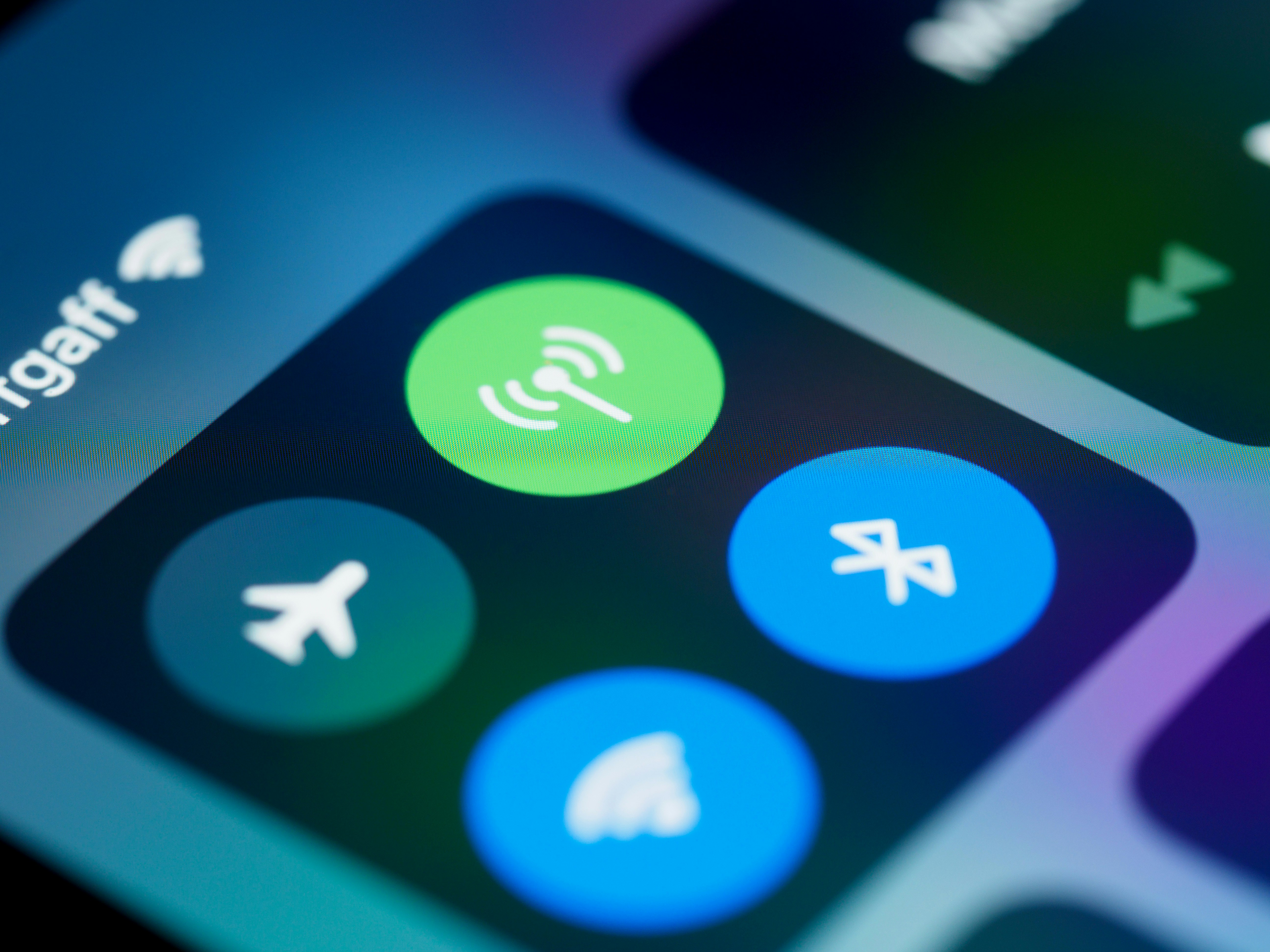
We use it every day to connect our wireless headphones, speakers, and car stereos, but have you ever wondered how Bluetooth got its unusual name?
Far from being a random tech-industry buzzword, the name is actually borrowed from tenth-century Scandinavian history—specifically, a Viking king with a notable dental quirk.
King Harald "Bluetooth" Gormsson In 1940, a coalition of tech companies—including Intel, Ericsson, and Nokia—set out to create a single, short-range radio technology to connect computers, cellular devices, and accessories.
During the development phase in 1997, Jim Kardach of Intel was tasked with finding a temporary codename for the project. Around that time, Kardach had been having drinks with Sven Mattisson of Ericsson, who mentioned he had been reading Frans G. Bengtsson’s historical novel about Vikings, The Long Ships.

Intrigued, Kardach did a bit of historical research of his own and learned about King Harald Gormsson—famously known as Harald Bluetooth—who had successfully united Scandinavia (Norway and Denmark) in the 10th century.
From Uniting Kingdoms to Uniting Devices Kardach realized that King Harald's claim to fame was bringing disparate groups together. This made the Viking king the perfect mascot for a new technology designed to unite PCs and cellular devices with a short-term wireless link.
What was originally intended as a temporary placeholder until marketing departments could come up with an official, formal name ("RadioWire" or "PAN" were top contenders) stuck around. By the time the technology launched, the official alternatives weren't ready in time, and Bluetooth became permanent.
A Viking Legacy in Your Pocket Even the iconic Bluetooth logo is a direct nod to King Harald. The symbol is a bindrune—a combination of two Scandinavian runes from the Younger Futhark alphabet:
ᚼ (Hagall) – representing the letter "H"
ᛒ (Bearkan) – representing the letter "B"
Together, they form H.B. for Harald Bluetooth, forever linking a medieval king to modern wireless communication.